
Expert Picks For Stamped Concrete Service Equipment
Get insights into the most recommended products that help professionals achieve consistent, high-quality stamped concrete finishes.
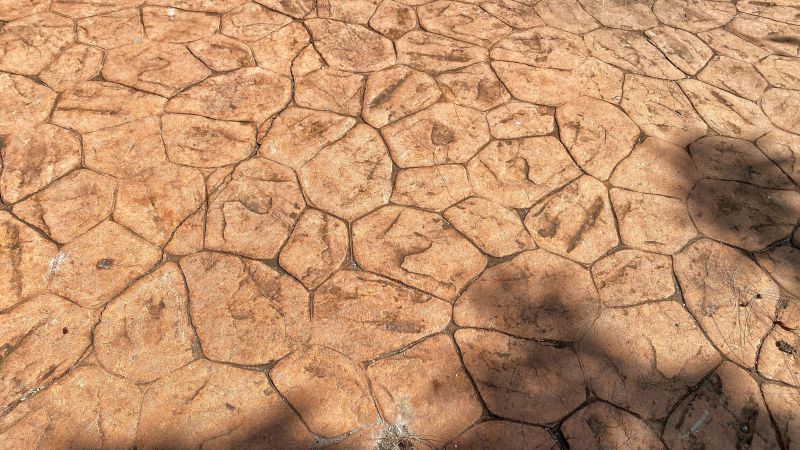 Stamped concrete service offers a versatile and aesthetically appealing option for enhancing various outdoor surfaces such as patios, driveways, walkways, and pool decks. This decorative technique involves imprinting patterns and textures onto freshly poured concrete, creating the appearance of natural materials like stone, brick, or slate. The process typically begins with preparing the concrete surface, followed by applying stamps or molds to achieve the desired pattern. Once the concrete sets, additional coloring and sealing treatments can be applied to enhance durability and visual appeal.
Top Overall Option
Concrete Stamp and Color Kit
A comprehensive kit that includes textured stamping mats, release agents, and coloring options, designed to facilitate a professional-looking stamped concrete finish. Ideal for DIY enthusiasts and professionals alike, this all-in-one solution provides versatility and ease of use, helping to achieve consistent patterns and vibrant colors on various surfaces.
Types of Products For Stamped Concrete Service
Stamping Mats
Flexible mats with various patterns to imprint textures onto fresh concrete, mimicking natural stone or brick surfaces.
Release Agents
Specialized powders or liquids that prevent stamping tools from sticking and help in achieving clean, crisp patterns.
Concrete Coloring Agents
Powders, liquid dyes, or integral colorants used to add vibrancy and depth to stamped concrete surfaces.
Sealants
Protective coatings that enhance appearance and safeguard stamped concrete from moisture, stains, and UV damage.
Texturing Tools
Hand tools or rollers used to add additional textures or refine stamped patterns for a more natural look.
Surface Cleaners
Specialized cleaners to prepare and maintain stamped concrete surfaces, ensuring longevity and appearance.
Color Hardener
Powdered pigments that are broadcast onto wet concrete to create a durable, colored surface suitable for stamping.
Bonding Agents
Adhesive products that improve the bond between existing concrete and overlays or new layers.
Overlay Materials
Thin layers of decorative coatings that can be stamped or textured to mimic natural materials.
Edge Restraints
Materials used to define borders and prevent cracking or spreading of stamped concrete edges.
Popular Choices
Most commonly used to imprint textures resembling stone, brick, or slate, these mats are favored for their variety and ease of use.
Popular for their quick application and clean release, aiding in crisp pattern impressions.
Mixed directly into the concrete for even coloration, providing a durable and vibrant base for stamping.
Chosen for their clarity and gloss finish, these sealers help protect stamped surfaces while enhancing appearance.
Added to concrete mixes to improve flexibility and reduce cracking, especially in high-traffic areas.
Widely used for their durability and vibrant coloring, broadcast onto wet concrete before stamping.
Popular for outdoor applications, these sealers help maintain color and prevent fading.
Hand tools used to add or refine textures, making stamped concrete look more natural.
Products that deepen or brighten the existing color of stamped concrete for a more vivid appearance.
Essential for preparing the surface before stamping or sealing to ensure adhesion and longevity.
The selection of appropriate products plays a crucial role in achieving a successful stamped concrete project. From specialized release agents that prevent sticking to stamping mats, to coloring agents that add vibrancy and depth, each product contributes to the overall quality of the finish. Proper tools and materials ensure that the patterns are consistent, the colors are evenly distributed, and the surface is protected against wear and weathering over time.
Maintaining the integrity of stamped concrete involves using the right sealers and cleaners designed specifically for textured surfaces. Sealers not only enhance the appearance but also provide a protective barrier against moisture, stains, and UV damage. It is essential to choose products that are compatible with stamped concrete and suited to the local climate conditions, especially in areas like San Marcos, CA, where outdoor durability is important.
When selecting products for stamped concrete, considerations such as ease of application, drying time, compatibility with other materials, and long-term durability are vital. Investing in quality products can help ensure that the decorative surface remains attractive and functional for years to come, making your outdoor spaces more inviting and visually appealing.
Key Buying Considerations
- Compatibility of products with existing concrete surfaces and local climate conditions.
- Ease of application and whether specialized tools or skills are required.
- Durability and resistance to weathering, UV rays, and foot or vehicle traffic.
- Type of coloring method (integral, stains, overlays) that best suits your aesthetic goals.
- Availability of a variety of patterns and textures to match your design preferences.
- Sealing options that provide both protection and enhancement of appearance.
- Drying and curing times to plan project schedules effectively.
- Cost-effectiveness based on the scope of the project and quality of products.
- Long-term maintenance requirements and ease of cleaning.
- Product reviews and manufacturer reputation for reliability and consistency.
- Environmental factors such as exposure to moisture, freezing, or heat.
- Compatibility with existing surfaces if overlays or repairs are needed.
- Safety considerations during application, including ventilation and protective gear.
- Availability of technical support or guidance from suppliers.
- Compatibility with other decorative finishes or treatments you may want to incorporate.